This year marks a crucial stage for the European real estate market, which is undergoing a process of recovery and transformation. Favourable economic factors, such as stabilized inflation, reduced interest rates and increasing real incomes are strengthening this sector as a key pillar of the continental economy, according to a Cushman & Wakefield Echinox analysis.
Despite the Eurozone being projected to register modest growth of 1.3% in 2025, Romania is expected to surpass this level, thus remaining one of the fastest-growing economies in the region. These developments will stimulate both consumption and investments, providing a clear boost for the real estate sector.
Vlad Saftoiu, Head of Research Cushman & Wakefield Echinox says: "While the outlook for 2025 is mostly optimistic, there are still a number of risks such as inflation, rising construction costs and geopolitical uncertainties. However, the transition towards sustainability, process digitization and the adjustment to new market demands offer significant opportunities for investors. The European and Romanian real estate markets are entering 2025 with a clear direction towards recovery and adjustment. The trends in question indicate a promising year for this sector, with substantial opportunities in the retail, industrial & logistics and office market segments. Success, however, depends on the ability of market players to quickly adapt to the new requirements and to capitalize on the innovation and sustainability potential."
Retail market: A path towards sustainable growth
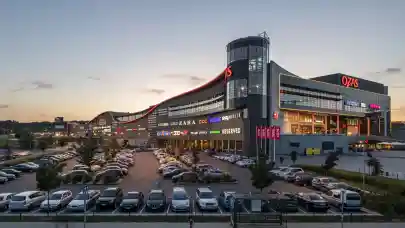
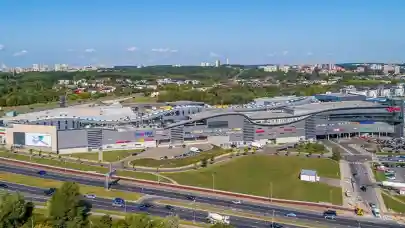
In Europe, the retail sector is well-positioned for sustainable growth in 2025, supported by improved consumer confidence and a better economic climate. In Romania, the development of modern shopping centres and the attraction of international brands can significantly stimulate this sector.
Retailers adopting flexible, consumer-centric strategies and focused on integrating brick & mortar stores and digital channels (omnichannel) are best placed for success. However, the global macroeconomic context and local dynamics will influence the pace of this evolution, requiring adaptability from market players.
As an emerging market, Romania can benefit from positive European trends, albeit with its own specificities. Shopping centres and retail parks will remain key investment attractions. Online retail will continue to influence the retailers' strategies, but physical locations will play a crucial role in brand consolidation.
In line with European trends, central locations and shopping centres in major cities will see increased demand, leading to higher rents. Stabilized inflation and the overall evolution of economic policies are critical factors influencing consumer behaviour. Additionally, infrastructure and urbanization play significant roles in attracting international retailers.
Industrial & logistics market: A strategic opportunity for Romania
Against the backdrop of e-commerce expansion and of the present nearshoring trends, the European industrial & logistics market finds itself at a turning point. In 2025, moderate growth is expected, supported by the demand for modern and sustainable spaces.
Romania, with its strategic geographical location, has the potential to strengthen its role as a regional logistics hub. Developing transport infrastructure and creating spaces which comply with sustainability requirements are essential. Although rents in this sector will continue to rise, especially for premium spaces, success depends on the country's ability to attract investments and respond quickly to the changing needs of occupiers.
Moreover, the expansion of e-commerce and nearshoring processes contribute to a constant demand for quality logistics spaces in Romania.
Similar to European trends, rents for premium spaces in Romania will continue to rise, supported by solid demand and the limited supply of such spaces. Vacancy rates may vary between urban and peripheral areas and land accessibility for logistics developments remains a critical factor.
Office market: Modernization as a priority
The European office market is undergoing significant transformation, driven by demand for modern, energy-efficient and well-located spaces. In Romania, Class A buildings are the most sought-after, especially in major cities such as Bucharest, Cluj-Napoca and Timisoara.
Owners of older buildings are facing increased pressure to modernize their portfolios in order to remain competitive, in the context of European regulations on energy efficiency and sustainability. However, high construction costs and geopolitical uncertainties remain significant obstacles.
The Romanian office market presents several distinct characteristics which influence the 2025 forecasts. Thus, Bucharest and major cities continue to be attractive to tenants searching for well-located and energy-efficient spaces. Class A buildings will dominate demand and vacancy rates will remain lower in central areas.
In line with European trends, rents for premium spaces will grow moderately, although this pace will be influenced by the market's capacity to absorb new deliveries.
Owners of lower-class buildings will invest in modernization or transformation in order to remain competitive, especially in light of the European regulations on energy efficiency.
Despite the Eurozone being projected to register modest growth of 1.3% in 2025, Romania is expected to surpass this level, thus remaining one of the fastest-growing economies in the region. These developments will stimulate both consumption and investments, providing a clear boost for the real estate sector.
Vlad Saftoiu, Head of Research Cushman & Wakefield Echinox says: "While the outlook for 2025 is mostly optimistic, there are still a number of risks such as inflation, rising construction costs and geopolitical uncertainties. However, the transition towards sustainability, process digitization and the adjustment to new market demands offer significant opportunities for investors. The European and Romanian real estate markets are entering 2025 with a clear direction towards recovery and adjustment. The trends in question indicate a promising year for this sector, with substantial opportunities in the retail, industrial & logistics and office market segments. Success, however, depends on the ability of market players to quickly adapt to the new requirements and to capitalize on the innovation and sustainability potential."
Retail market: A path towards sustainable growth
In Europe, the retail sector is well-positioned for sustainable growth in 2025, supported by improved consumer confidence and a better economic climate. In Romania, the development of modern shopping centres and the attraction of international brands can significantly stimulate this sector.
Retailers adopting flexible, consumer-centric strategies and focused on integrating brick & mortar stores and digital channels (omnichannel) are best placed for success. However, the global macroeconomic context and local dynamics will influence the pace of this evolution, requiring adaptability from market players.
As an emerging market, Romania can benefit from positive European trends, albeit with its own specificities. Shopping centres and retail parks will remain key investment attractions. Online retail will continue to influence the retailers' strategies, but physical locations will play a crucial role in brand consolidation.
In line with European trends, central locations and shopping centres in major cities will see increased demand, leading to higher rents. Stabilized inflation and the overall evolution of economic policies are critical factors influencing consumer behaviour. Additionally, infrastructure and urbanization play significant roles in attracting international retailers.
Industrial & logistics market: A strategic opportunity for Romania
Against the backdrop of e-commerce expansion and of the present nearshoring trends, the European industrial & logistics market finds itself at a turning point. In 2025, moderate growth is expected, supported by the demand for modern and sustainable spaces.
Romania, with its strategic geographical location, has the potential to strengthen its role as a regional logistics hub. Developing transport infrastructure and creating spaces which comply with sustainability requirements are essential. Although rents in this sector will continue to rise, especially for premium spaces, success depends on the country's ability to attract investments and respond quickly to the changing needs of occupiers.
Moreover, the expansion of e-commerce and nearshoring processes contribute to a constant demand for quality logistics spaces in Romania.
Similar to European trends, rents for premium spaces in Romania will continue to rise, supported by solid demand and the limited supply of such spaces. Vacancy rates may vary between urban and peripheral areas and land accessibility for logistics developments remains a critical factor.
Office market: Modernization as a priority
The European office market is undergoing significant transformation, driven by demand for modern, energy-efficient and well-located spaces. In Romania, Class A buildings are the most sought-after, especially in major cities such as Bucharest, Cluj-Napoca and Timisoara.
Owners of older buildings are facing increased pressure to modernize their portfolios in order to remain competitive, in the context of European regulations on energy efficiency and sustainability. However, high construction costs and geopolitical uncertainties remain significant obstacles.
The Romanian office market presents several distinct characteristics which influence the 2025 forecasts. Thus, Bucharest and major cities continue to be attractive to tenants searching for well-located and energy-efficient spaces. Class A buildings will dominate demand and vacancy rates will remain lower in central areas.
In line with European trends, rents for premium spaces will grow moderately, although this pace will be influenced by the market's capacity to absorb new deliveries.
Owners of lower-class buildings will invest in modernization or transformation in order to remain competitive, especially in light of the European regulations on energy efficiency.